
Blog
Why Airlines Are Rethinking Engine Maintenance in 2025
A single day of unexpected aircraft downtime can cost an airline millions. In today’s environment, where margins are thin and fleets are under pressure, engine maintenance has moved from being a back-office technical task to a boardroom priority.
At the center of this shift is Optima, a new generation of strategic planning software designed to help airlines cut costs, reduce risk, and meet the challenges of 2025 and beyond.
The Costly Puzzle of Engine Maintenance in Aviation
Aircraft engines are the beating heart of aviation, and among its most expensive assets. A single shop visit can exceed $10 million and keep an engine offline for up to 9 months. Over its lifetime, each engine may undergo multiple overhauls, representing billions in maintenance costs for major carriers.
For years, airlines managed this complexity reactively: fixing issues engine by engine, planning around rigid cycles, and scrambling to meet lease return requirements. The result was often overlapping shop visits, unexpected groundings, and hefty lease penalties. That model no longer works.
Why 2025 Is a Turning Point for Airlines
The industry is facing a convergence of pressures that make smarter maintenance strategies not just attractive, but essential:
- Rising costs: volatile fuel prices, inflation, and higher shop visit expenses squeeze margins;
- Production delays: with Airbus and Boeing struggling to deliver new aircraft, airlines must operate older fleets longer, increasing engine wear;
- Sustainability goals: airlines are under pressure to improve fuel efficiency and extend component lifecycles to meet net-zero targets;
- Stricter regulation: environmental and safety compliance demands more precise planning;
- Labor shortages: a global lack of specialized engineers makes reactive approaches even more costly;
- Lease exposure: with nearly half of the world’s fleet leased, avoiding return penalties has become a strategic priority.
Together, these challenges are reshaping how airlines think about their engines.
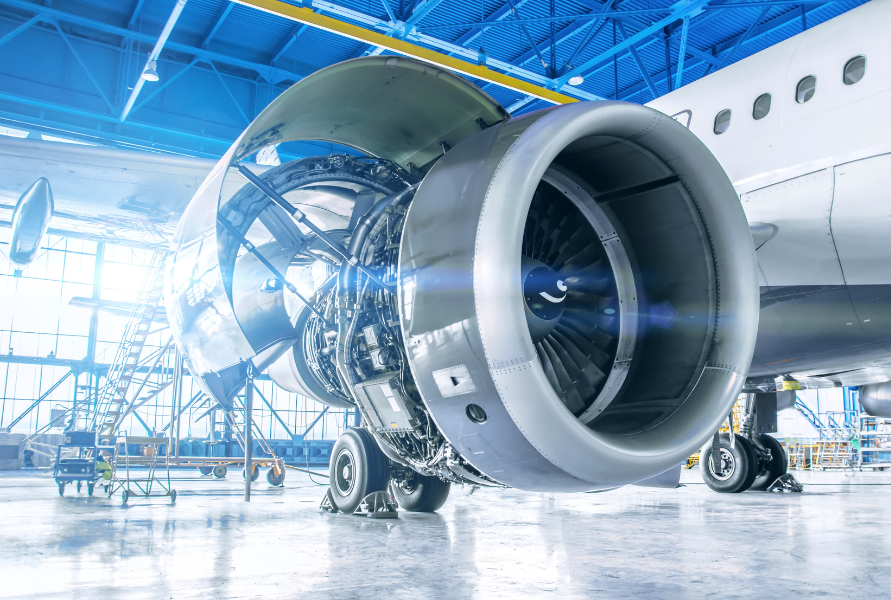
From Reactive Fixes to Strategic Planning in Aircraft Engine Maintenance
Airlines are moving beyond short-term fixes toward data-driven, fleet-wide strategies. Some of the key enablers include:
- Predictive maintenance: using real-time engine data to forecast problems before they occur;
- Scenario planning: simulating fleet strategies 10–20 years ahead to align costs, lease schedules, and operational readiness;
- Digital optimization: applying AI and advanced algorithms to balance technical, contractual, and financial constraints across the entire fleet.
This is where Optima steps in.
Introducing Optima
Otima is a strategic engine maintenance planning solution built specifically for the challenges airlines face in 2025. By combining aviation expertise with AI and advanced optimization algorithms, Optima helps airlines:
- Cut maintenance and lease costs by 10–20% — saving millions per aircraft over its lifecycle;
- Avoid costly lease return penalties with proactive planning for shop visits and part replacements;
- Maximize fleet availability, reducing delays and cancellations caused by unplanned groundings;
- Extend part lifecycles, supporting sustainability by reducing waste and improving efficiency;
- Model multiple scenarios to assess the financial and operational impact of different strategies, from operating older aircraft longer to phasing in new fleet types.
Crucially, Optima adapts to two realities airlines face today. On older fleets, it helps optimize the phase-out of aircraft and engines, aligning shop visits and lease conditions to minimize costs during retirement. On newer fleets, it manages the unpredictability of immature assets, running scenarios to anticipate risks, assess financial impact and ensure operational readiness despite unknown failure patterns.
Instead of managing engines one by one, Optima empowers airlines to manage the fleet as a whole, turning complexity into clarity.
Flying Ahead
In 2025, engine maintenance is no longer just about keeping aircraft flying. It is about safeguarding profitability, ensuring regulatory compliance, and delivering on sustainability promises.
Airlines that embrace smarter, data-driven planning will be better positioned to navigate today’s uncertainty and tomorrow’s opportunities. With Optima, they can.
Optima: A Strategic Engine Maintenance Planning Solution
Discover how Optima can help your airline reduce maintenance costs, minimize risk, and keep your fleet flying at peak efficiency.

At DecisionBrain, we deliver AI-driven decision-support solutions that empower organizations to achieve operational excellence by enhancing efficiency and competitiveness. Whether you’re facing simple challenges or complex problems, our modular planning and scheduling optimization solutions for manufacturing, supply chain, logistics, workforce, and maintenance are designed to meet your specific needs. Backed by over 400 person-years of expertise in machine learning, operations research, and mathematical optimization, we deliver tailored decision support systems where standard packaged applications fall short. Contact us to discover how we can support your business!
Read also